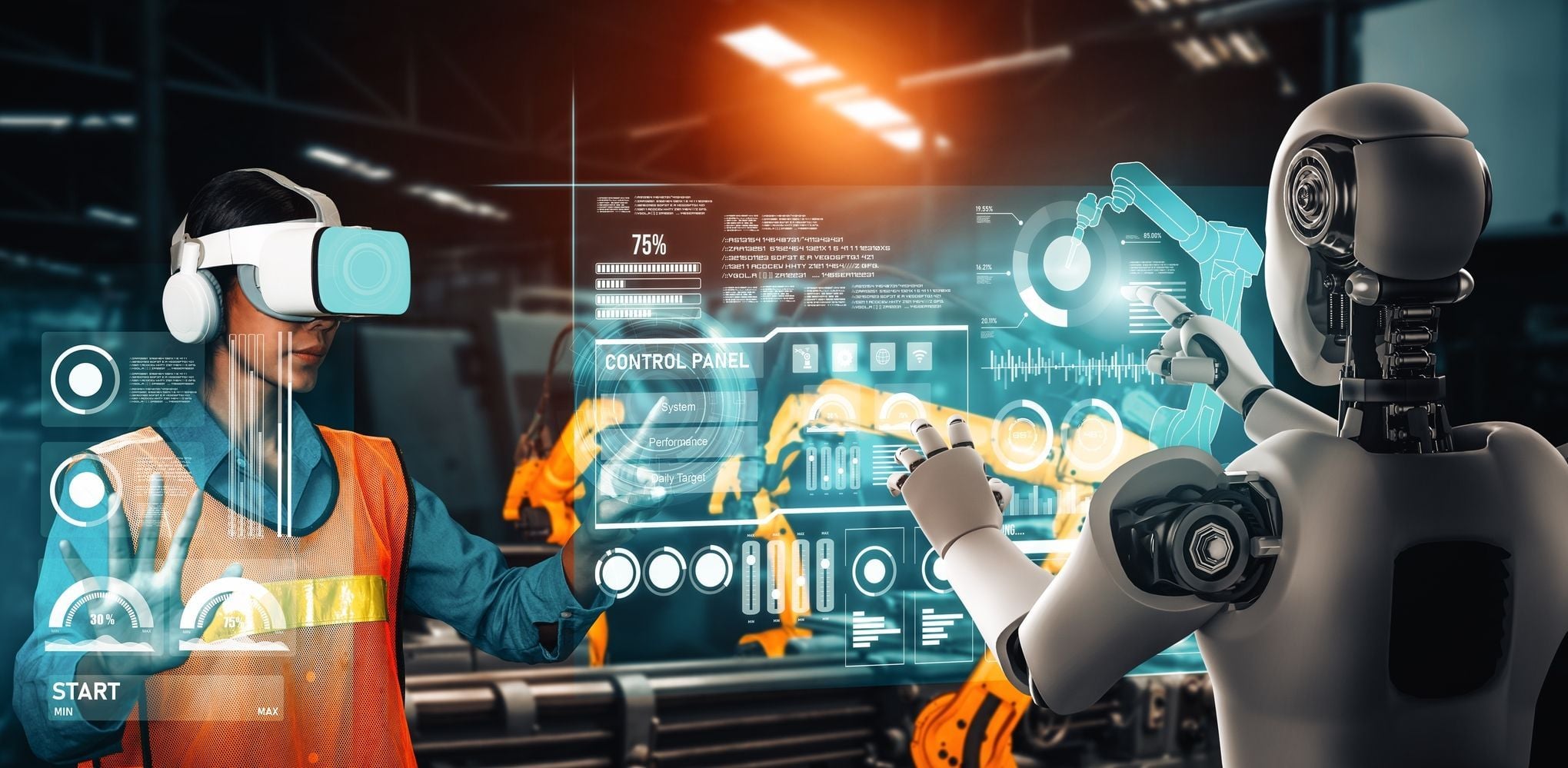

Think of factories as classrooms, where AI whispers instructions to every machine, turning ordinary production into an innovative and adaptive dance. From every corner of the globe, computers are reshaping how factories run. AI (whether improving quality, reducing downtime, or anticipating future needs) runs deep in modern manufacturing DNA.
Traditional methods still matter, but they can’t keep up with today’s fast-moving supply chains, the growing worker shortage, and changing consumer preferences. AI brings real-time data, provides actionable insights, and automates tasks. It turns reactive factories into predictive, efficient machines.
Faster, Smarter, More Adaptive
Imagine a factory spotting problems before they blast. How smooth does that feel? They’ll scan endless data, spot trends, and decide what to do all on their own, so the whole process feels like a game-changer for factories.
Manufacturers get faster cycles, fewer errors, and more innovative use of resources; it’s a clear win. Picture a system that spots weak parts first; then it swaps them before they snap. Why not a line that shuffles itself whenever orders surge, no one watching? These aren't future dreams. Happening right now, powered by AI.
AI for All, Not Just Giants
And it's not just big companies; even small startups get involved. Mid-sized factories are turning to AI to beat the big global players.
They lean on predictive data and automation, cutting costs while boosting output.
Isn’t that a smart move? Everyone gets the same shot now, like never before. How awesome is that?
Predictive Maintenance Saves Time and Money
Unplanned downtime, yes, that sudden halt, stands as the enemy of efficiency. When a machine stops abruptly, trucks pause, bills climb, and customers throw their heads back in frustration. AI flips that on its head, rewriting the idea from scratch.
By analyzing sensor data, AI detects subtle shifts in the machine’s behavior that signal an impending failure. Maintenance teams receive alerts before a breakdown occurs, giving them a chance to act early. This keeps pricey machines running longer, cuts maintenance costs, and keeps production on time.
AI turns factories into tougher, sharper players, making them resilient and proactive, a textbook case.
Quality Control Gets Smarter
Checking every item by hand? It’s slow, expensive, and easy to slip. Want quick, accurate quality checks? AI does that, using computer vision and machine learning to scan products instantly.
Cameras scan items on the line, and they click; algorithms flag defects instantly from scratches to misalignments. So, what did we get? Less broken stuff, fewer refunds, and we’ll trust the brand more.
More data that AI snags: the smarter it turns out. At first, it skips all the problems, but over time, it finds even the tiniest flaws, ensuring only the finest stuff exits the factory floor.
Smarter, Flexible Supply Chains
AI gives supply chains a quick, flexible edge because global chains are messy and twisty. Does a single late shipment or a raw-material shortfall throw the whole operation out of balance?
AI opens a portal to tomorrow, showing what comes next and keeping us ahead. Machine learning models can predict demand spikes, suggest alternative suppliers, reroute logistics in real time, and keep things running smoothly. Demand stays manageable.
When AI powers supply chains, disruptions get smoothed out in hours, nothing like the old days of waiting weeks. Agility isn’t just a nice perk; it’s a must now because customers stick to brands that deliver quick, reliable goods. Can you afford to be slow?
Mass Customization Made Possible
Mass production is shifting as we customize at a vast scale. Customers want personalized products, and AI delivers them fast with no efficiency loss. From sneakers to cars to smart gadgets, manufacturers can now hand-craft custom models on a massive scale.
AI systems tweak their settings on the fly, drawing on what a customer loves, what past orders reveal, or how a region’s tastes shift, so the product stays spot on. Mass production is out of the picture.
Today, it's all about mass personalization, so every item feels like it was made just for you.
This shift lets manufacturers hike prices, cut wasteful inventory, and actually produce goods that genuinely meet their target audience; should we all be happy about this?
Humans and Machines: Smarter Together
Humans and machines together make a more innovative team; AI doesn’t take jobs, it just gives people more power. In AI-run factories, workers do less of the same old chores and more of the big things: solving problems, thinking up fresh ideas, and making decisions.
Workers lean on AI dashboards to keep track of how things roll, spot glitches, and fine-tune their workflow, like a wizard. Cobots, those collaborative robots, handle the heavy lifting. We humans, pursue the areas where intuition and creativity still matter.
This synergy lifts productivity, and it doesn't just keep workers safe; it makes them feel truly fulfilled.
Real-World Impact: AI in Action
In Germany, a major carmaker uses AI to tweak weld heat as metal cools; defects drop by 30%. In Japan, a factory cut unplanned downtime by 40% after adopting predictive maintenance.
Even in a quiet town, a mid-sized furniture company turned to computer forecasting, cut wasteful production, and saved more than a million dollars each year. Everywhere you turn, stories, every single one, point to the same truth: AI truly works.
Where to Start with AI in Manufacturing
No, it isn’t swapping everything for robots. Because we trail after tech, data, and algorithms come in: people can’t crunch fast enough, stay on point enough, or go big enough. So we let computers do the heavy lifting, keep it quick, and maintain solid accuracy. In the end, it’s the same goal, just faster and louder, handled by code. The first step isn’t buying software, it’s understanding the problem.
Which slow spots in your factory bite the hardest? See where the waste hides, tucked into the system like a quiet leak; can anyone spot it? Kick off right at that spot, that's where everything actually starts.
Next, reach out to an AI consultant or solution provider who actually knows manufacturing, after all, who else? The best results come when you tweak the AI system to fit your own processes, tools, and team, and you’ll instantaneously notice the difference.
Start Small, Scale Smart
Start with one process (quality control, maintenance, or forecasting) and then scale from there. Success grows when you boost confidence and snatch ROI at every turn; it just keeps snowballing. AI adoption? Not plug and play.
You gotta set it up, tweak it, and get people on board. Tidy data and a clear plan are the two things you need for this to work. Factories clinging to old gear and locking data into separate boxes just block AI from doing its best.
Shouldn't your workforce get some training? A quick refresher could help them do better. Time to level up. Anyone who uses AI tools must first understand how they work; otherwise, they’re just guessing.
Once the basics are straightforward, they can truly embrace these tools and get real results. In doing so, they’ll use AI more effectively. No buy-in? Even the best system still fails to deliver.
Budgeting for AI and Looking Ahead
Budgeting? That’s another thing that bugs me. AI promises long-term savings; however, upfront costs are heavy, and that first bite of money often gets people off guard. Pick projects that pay back quickly; that keeps things moving.
In short, AI isn’t merely a future headline for manufacturing; it’s the engine already running the assembly lines today, guiding robots to near-perfect precision and speeding up production.
AI is turning factories into intelligent machines, from spotting problems before they happen and rushing products through supply lines, to checking quality with data and tweaking items instantly, and all this lets them compete better.
What sets leaders apart from laggards?
It’s not the tech they own, though they might have it; it's the will to act that lifts them ahead. If your company puts money into AI right now, you’ll see faster work, higher flexibility, and bigger profits, and others will struggle to catch up.
The next phase of industrial evolution is already in town, humming with fresh machines and changing how we pull our work around. Those who latch onto AI don’t just cut corners in work; they also unleash new ideas that none of us saw coming.